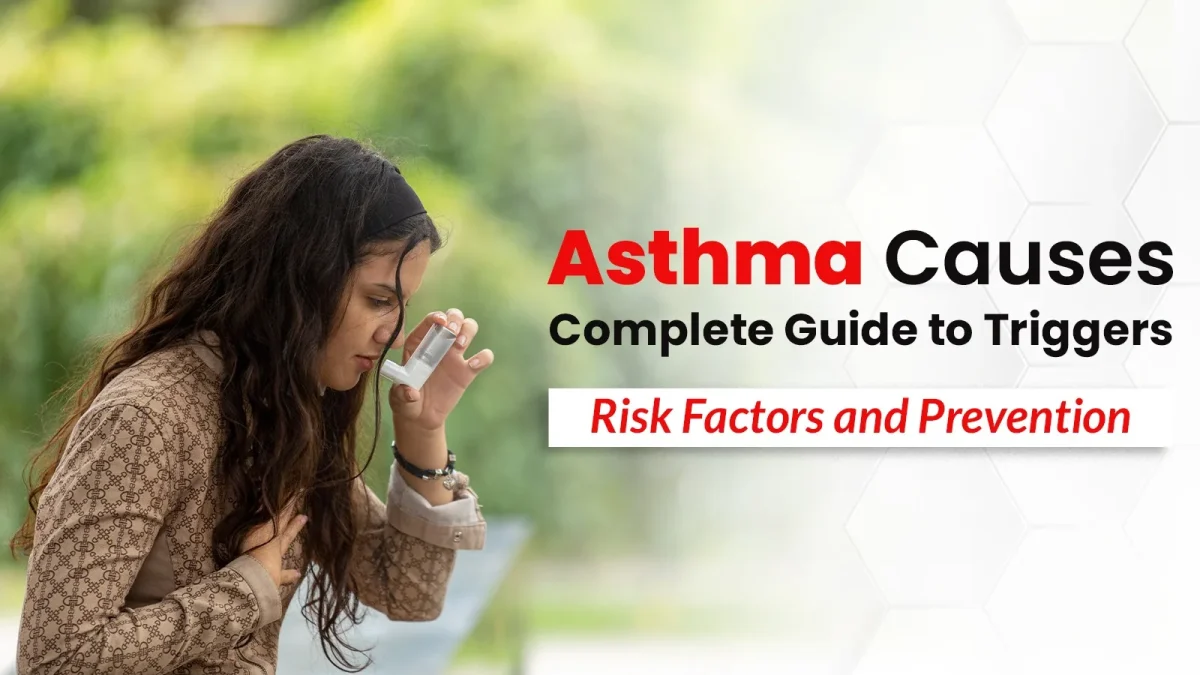
Asthma Causes: Complete Guide to Triggers, Risk Factors and Prevention

Asthma is a serious respiratory disease which affects millions of people in the world, covering all age groups, lifestyles & environments. Most of the time people often discuss only the symptoms of asthma but understanding asthma causes is more important for long lasting control & prevention. Asthma triggers are far more different than asthma causes while most of the people assume they are the same. But, causes are the hidden aspects that make a person vulnerable to asthma, while triggers are the factors that stimulate symptoms in individuals who already have the condition.
Taking the treatment without understanding the difference between triggers and causes can lead to reactive rather than preventive. Understanding the various causes of asthma like genetic, environmental, allergic, lifestyle-related & emotional in individuals can decrease the chances of asthma attacks, improve quality of life & prevent disease progression.
This blog will tell you the asthma causes from the depth, explaining how the condition grows, what worsens it & how awareness plays an important role in management of asthma.
What Is Asthma?
A chronic lung disease which affects the airways and how air moves in & out of the lungs. People who suffer from asthma, the airways become hypersensitive which react strongly to certain events that lead to narrowing, swelling & excess mucus production. The inflammation in the airway makes breathing difficult which results in asthma symptoms that are mostly common such as wheezing, coughing, chest tightness & shortness of breath. The effect of asthma is not the same on every other person, some individuals experience mild, occasional symptoms, while others people can face frequent, severe asthma attacks.
Getting the knowledge of what asthma will help you clarify why identifying asthma causes is important. Inflammation that continues occurs due to exposing the airways to triggers on a regular basis without treating the root causes. If asthma isn't treated at the right time it can eventually lead to difficulty sleeping, exercising & proceeding to everyday tasks. Effective management of asthma can allow us to reduce the chances of airway damage and frequent symptoms which can be possible if the asthma and its causes are detected early.
What Causes Asthma?
People often ask what causes asthma but the causes are far more complicated & mostly involve a combination of genetic & environmental risk. There can be multiple factors responsible for growth of asthma which can get influenced over time by a variety of elements. Some of the common asthma causes include genetic risk, exposure to allergens, air pollution, respiratory infections & lifestyle factors. Since exposures in childhood are more significant in kids who have asthma, the causes of asthma in children often differ more than those in adults.
Smoking, continuous exposure to pollutants & occupational dangers can have a greater impact on adults. The primary causes of asthma choose who originally experiences the condition, even though asthma triggers cause symptoms. Considering these factors makes it easier to understand why some people get asthma from repetitive illnesses, while others get it from allergies or exposure at work.
Genetic Causes of Asthma
Asthma frequently occurs in families & develops early in life in particular individuals, which can be addressed by its genetic origins. Asthma is not just a genetic condition but biological factors could increase the immune system's ability to react & responsiveness to environmental triggers. The chance of growing asthma is greatly increased when allergens, pollutants or infections are associated with a family history of asthma. Being aware of the genetic aspect of asthma improves early identification, preventative treatment & improved care that lasts long.
Is Asthma Hereditary?
People often ask, is asthma hereditary while research also strongly suggests that genetic asthma is very common. Individuals with a family history of asthma, eczema , allergic rhinitis or hay fever are more prone to a higher risk of inheriting asthma. Risks are slightly increased when one parent has the issue but the risk becomes even stronger. Genes effects the immune system & airway sensitivity, but they do not directly cause asthma.
Environmental Causes of Asthma
Asthma development & progression is greatly impacted by exposure to pollutants, mostly for urban & industrial environments. All age groups are affected by environmental causes of asthma, which typically intensify symptoms over time.
Outdoor Air Pollution
Since pollutants in the atmosphere stimulate sensitive airways, there is a strong relationship between air pollution & asthma. While pollution from industries, people sensitive to smoke & toxic substances, vehicle emissions release nitrogen dioxide that particulate particles that irritate the lungs. Because smog traps chemicals close to the surface of the earth, it is especially harmful as an asthma trigger during changes in weather.
Indoor Environmental Factors
Even more dangerous & frequently misunderstood is indoor air pollution. The gradual buildup of dust, smoke & indoor pollutants due to lack of ventilation worsens asthma. Indoor airway irritants contain mold, wet walls, incense & household cleaning chemicals.
Allergic Causes of Asthma
One of the most frequent allergic causes of asthma is continuous growth & attacks. People who suffer from asthma have an immune system that overreacts to mild chemicals, seeing them as dangers. Breathing gets challenging due to inflammation, airway tightness, mucus production brought on by this high reaction. Allergic asthma frequently occurs with other allergy disorders which have a strong connection with environmental exposure.
Common Allergens
Allergic asthma can be caused by a number of common chemicals. The most common allergens that cause asthma symptoms include pollen, dust mites, mold & fur from pets. The immune system produces inflammatory chemicals in response to certain allergens, which restrict the airways & promote mucus buildup. Continuous exposure to these allergens complicates asthma management & raises attack frequency, particularly in those who are sensitive.
Food Allergies and Asthma
There are many people who can breathe attacks which can cause food allergy-induced asthma that contributes to breathing difficulties. These types of attacks can be triggered from consuming certain foods such as nuts, dairy products, shellfish, eggs or foods that contain preservatives. Still it is less common than the pollutants found in the air but food allergies can intensify asthma symptoms & should be carefully identified & avoided especially in children.
Respiratory Infections And Asthma
In the childhood era when the lungs are developing they are too sensitive and can be prone to Respiratory infections and asthma that are closely connected. While infections can damage the airway which increases inflammation & increases the airway sensitivity permanently. Many individuals can experience their first asthma symptoms after a severe or repeated respiratory infection.
Viral and Bacterial Infections
There are many types of respiratory infections causing asthma including viral infections such as RSV, influenza & rhinovirus. Infections like these inflame the airways & can change the normal lung development in children. Continuous childhood infections increase the chances of getting asthma later in life due to repeated illness. Bronchitis is an infection which can trigger asthma and is also very common where constant bronchial inflammation leads to chronic airway hyper-reactivity.
Lifestyle-Related Causes of Asthma
There can be many lifestyle-related causes of asthma that highlights how your daily habits & environmental exposure can influence asthma risk & severity. Eventually, many lifestyle factors can make your lung function weak, increase inflammation & that make asthma harder to manage over time.
Smoking and Secondhand Smoke
It is widely acknowledged that smoking and asthma are related. Lung capacity decreases & inflammation increases because the inner membrane of the airways is harmed by tobacco smoke. The harmful effects of secondhand smoking are equally harmful, especially for young people, pregnant women & senior citizens. Even irregular consumption can worsen asthma symptoms & increase the frequency of attacks.
Weather Related Causes of Asthma
Asthma symptoms can get severe mostly due to weather and climate related issues, specifically for those with sensitive airways. Cold air and asthma are interconnected because the airway can get tightened and irritated due to dry and cold air. Breathing issues can get worse because of weather changes like changes in temperature and air pressure. Asthma allergies can get worse in the high humidity where the dust mites & mold can grow.
How to Reduce Asthma Triggers
For reducing the severity of asthma it’s important to maintain a healthy environment which helps in avoiding the frequent triggers. In your home everything plays a crucial role for reducing frequent allergies by decreasing the amount of chemical exposure & improving indoor air quality. Controlling asthma is also managed by a healthy lifestyle doing some modification like stress management, exercising and following a balanced diet.
When to See a Doctor
Avoiding complications from asthma involves understanding when to visit a doctor. Frequent dyspnea, attacks at night, wheezing that doesn't go away with medicine or an increasing demand on emergency inhalers are warning indicators & severe asthma symptoms. Ignoring these symptoms could result in potentially fatal asthma episodes. Appropriate evaluation, therapy modification & improved asthma control for a long term are all maintained by timely medical attention.
Conclusion
Asthma is a lot more than just wheeze or dyspnea. Genetic factors, environmental exposure, allergies, lifestyle decisions, emotional well-being & childhood factors all contribute to the challenging illness of asthma. People can move from temporary symptom treatment to preventative measures by understanding the real root causes of asthma rather than just reacting to asthma triggers. Raising awareness is necessary for lowering flare-ups & enhancing everyday quality of life, regardless the cause of asthma can be hereditary risk, air pollution, allergy sensitivity, exposure at work, stress or childhood circumstances.
Read More Articles
Frequently Asked Questions
Is asthma inherited?
what are the risk factors of asthma ?
Leave a Comment
Your email address will not be published. Your comment will be visible after admin approval.
Comments
Loading comments...