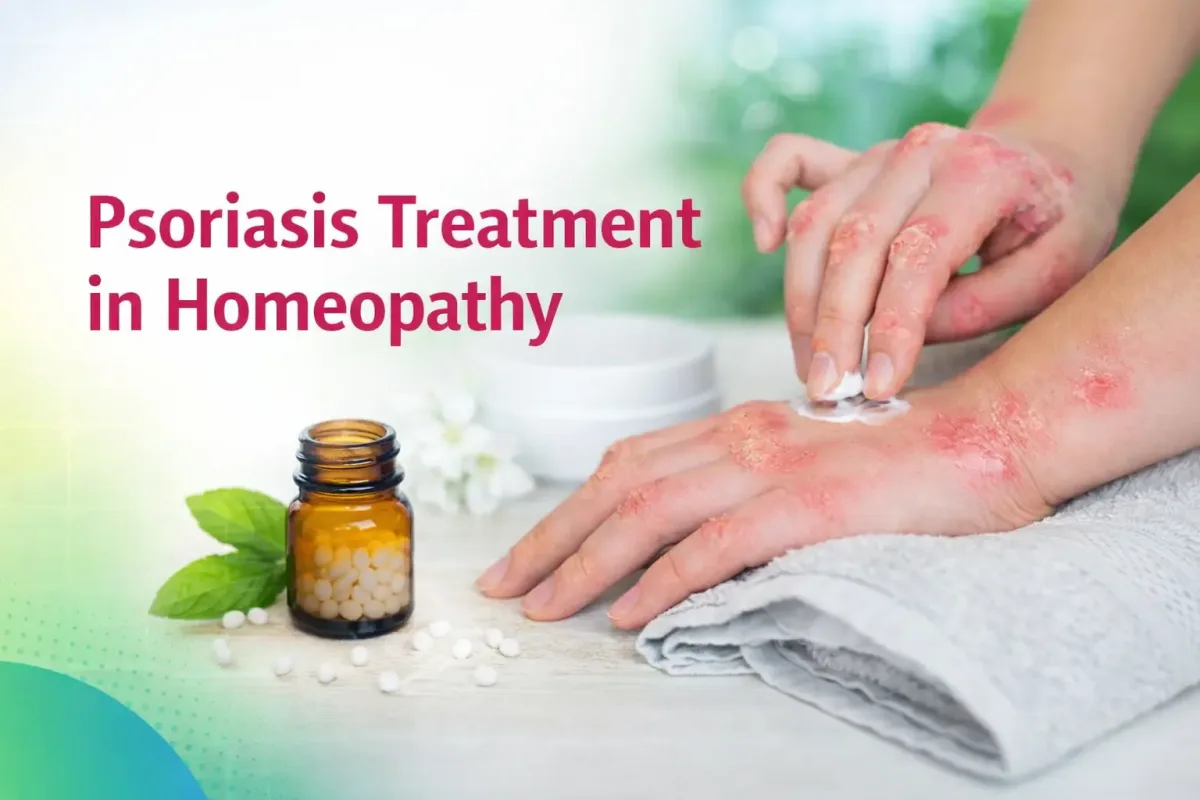
Psoriasis Treatment in Homeopathy: A Holistic Approach

An Overview
Psoriasis is more than just a skin condition; it affects the body overall, causing mental health problems, leading to lower self-esteem and confidence, and cardiovascular events like strokes and heart attacks, and even a chronic form of arthritis. People having this disease often go through flare-ups for weeks or months, and relief, trying different treatment options without long-term success. Mild psoriasis is usually treated with creams and ointments, but severe psoriasis may require more intensive treatment. This is where Psoriasis Treatment in Homeopathy helps, as an approach that is both natural and personalized, focusing on treating the root cause rather than providing temporary relief and suppressing symptoms.
What is Psoriasis?
Psoriasis is a chronic autoimmune skin disorder in which skin cells multiply faster than normal. It does not shed naturally; instead, it forms a thick and scaly patch that may itch and cause pain. It is non-contagious but long-lasting. This commonly affects areas such as the scalp, elbow, knees, and lower back. It affects both men and women equally, and anyone can get this disease, but it is found more commonly in adults than in children. This disease is linked to the dysfunction of the immune system of the body.
Types of Psoriasis
Psoriasis appears in different forms:
Plaque Psoriasis: It is the most common type, characterized by red patches covered with silver scales. The plaques are itchy and painful, and sometimes may crack and bleed.
Guttate Psoriasis: This consists of small, drop-shaped spots and is often triggered by infections. This primarily affects the torso, arms, and legs, and can also appear on the face and scalp. However, these rarely affect the palm and nails.
Inverse Psoriasis: These appear in skin folds, such as the underarms, groin, and underbreasts. They are shiny, smooth, deep red patches of skin that lack plaques because the skin-to-skin contact and moisture in the folds rub the scales off.
Postular Psoriasis: characterized by white pustules surrounded by inflamed skin. Rubbing and sweating the affected area makes it worse.
Erythrodermic Psoriasis: A rare but severe form of psoriasis characterized by widespread redness and skin shedding. They cause a fiery, red rash that typically covers almost the entire body.
Symptoms of Psoriasis
Symptoms of Psoriasis vary person to person, depending on the type and severity. Some people deal with mild irritation, while others struggle with painful flare-ups that affect their daily lives. People might get symptoms like:
Burning or stinging sensations, as some patches feel irritated and painful, like the skin is inflamed from within.
Dry, cracked skin that may bleed; in some cases, the skin becomes dry and even splits, which can be painful and uncomfortable.
Thickening or discoloration in nails, the nails turn yellowish and develop dents, and sometimes even start lifting from the nail bed.
Scalp flaking, looking like severe dandruff, spreads beyond the hairline and is often mistaken for a dry scalp.
Flare-ups followed by relief; symptoms don’t stay constant; individuals sometimes have clear skin, then sudden flare-ups without warning.
Causes of Psoriasis
Psoriasis has no single clear cause, it is a multi-factorial problem. It is thought to be an immune system problem, and some researchers believe that both genetics and environmental factors play a role. It is not something that can be neglected, and doing so can cause more severe issues and delayed treatment. This disease is usually caused by an overactive immune system, in which T cells mistakenly attack healthy skin cells, leading to rapid skin cell turnover. Some of the causes that drive it are:
Immune system dysfunction : It is an autoimmune condition in which the immune system basically misfires. Instead of protecting it, it attacks healthy cells, speeding up the production of skin cells, and, as a result, the cells pile up, forming thick, scaly patches.
Genetic predisposition: If someone in the family has psoriasis, the risk goes up significantly. Certain genes are linked to the immune response, making the person more vulnerable.
Triggers: Even if a person is prone, it often takes a trigger to manifest, such as stress, infections, skin injuries, weather conditions, or certain medications. So, it is very important to identify triggers, or else flare-ups will recur.
Lifestyle Factors: This is where most of them sabotage their own progress with poor diet, obesity, smoking, and alcohol.
Mental and Emotional Health: Anxiety and depression can both be causes and consequences of this disease.
Homeopathy: An Effective Treatment for Psoriasis
Homeopathy is completely different than other conventional treatments as it focuses on treating the root cause rather than just visible symptoms. It uses an individualized approach tailored to each patient based on their lifestyle, triggers, and medical history. Homeopathy is known to reduce the frequency and intensity of flare-ups and to balance your immune system, not just suppress it, and aims for long-term relief and not just temporary control.
Homeopathy treats the person as a whole and not just the skin, while other conventional treatments use steroids, ointments, and immunosuppressants, which work on the outer layer only. No harsh chemicals are used, and there is no risk of dependency with minimal to zero side effects. It aims for deep and long-lasting treatment, with overall wellness of the individual.
Manage Psoriasis With These Lifestyle Changes
Medication alone can not treat any disease, as no treatment works in isolation. If your lifestyle is out of balance, real change becomes difficult. Here are some small tips that actually work:
Manage stress: Practice yoga, meditation, or brisk walking.
Maintain a healthy diet: Avoid sugary and processed foods, and include fruits, vegetables, and omega-3-rich foods.
Hydration: Drink at least 3-4 liters of water every day to keep the skin from drying out and reduce irritation.
Proper sleep: Sleep patterns matter a lot, as your immune system depends heavily on it.
Moisturize regularly: Dry skin can cause itching and irritation and worsen flare-ups.
Conclusion
Psoriasis is a stubborn condition, and it cannot be treated by any miracle pill. However, Psoriasis Treatment in Homeopathy offers slow but deeply effective healing, as it focuses on internal balance rather than just treating the outer layer of the problem. But it demands patience and consistency combined with a disciplined lifestyle. Committing to homeopathy can be a meaningful path to getting lasting relief from the problem.
Leave a Comment
Your email address will not be published. Your comment will be visible after admin approval.
Comments
Loading comments...